Feeds:
Posts
Comments

Perhaps because of the seamless quality of endless rain, watery highways, and circular canals that seemed to the hapless passenger to have no beginning or end, no destination, days in Tortuguera seemed to run into each other, as if it had been one long, wet, boat ride.
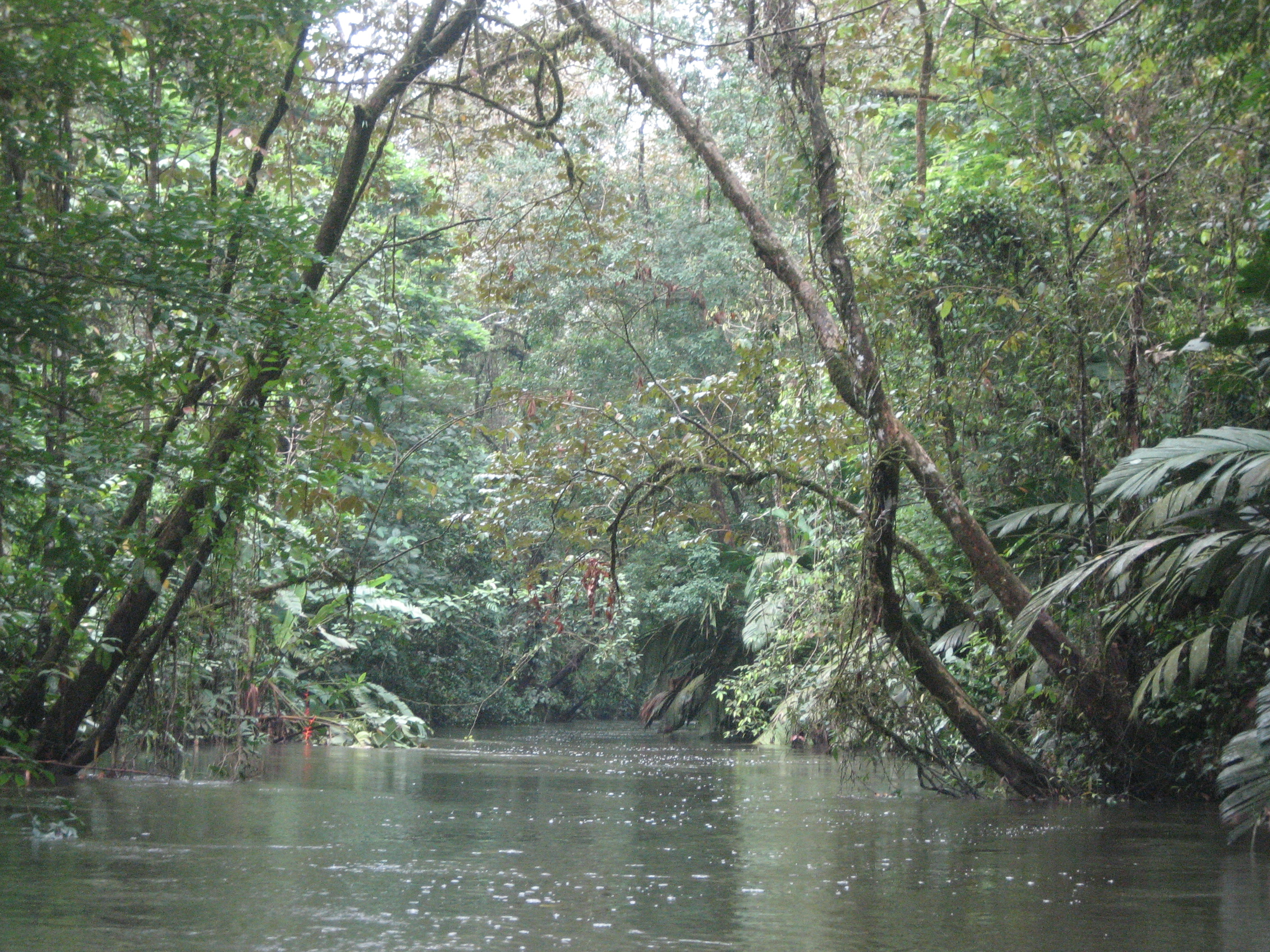
River and Jungle in the Rain

On our first trip out with Yuri, who was our skilled guide if not our boatman, I saw other loads of passengers and noted how, in the open boats they were all issued plastic rain covers, usually of the same color, making them look like overgrown kindergarteners out on an excursion. How quickly we became them!

But in that strange, primeval world of jungle, waterways, and sea, with its array of creatures, nothing I suppose, was really out of place. Even plastic-covered tourists. The park, created to preserve the nesting ground for turtles, including leatherbacks, along the beach, is also a kind of Eden. The closest thing to the Amazon outside the Amazon. In addition to turtles, it also is a preserve for manatees, who live and swim in some of the channels — supposedly those closed to boats.

River and Jungle in the Rain

But of course saving the habitat for some saves the ecosystem for all. It is a dense green world overhanging the rivers, canals, and lagoons that harbor hundreds of species, amazing birds, enormous fish, strange mammals, and that perennial of the jungles, reptiles. We saw some of everything. For me, the highlights were huge spider monkeys swinging and chattering in the trees overhead, toucans, which were the first I’d seen in the wild, and the sudden, electrifying charge of the luminescent blue wings of the morpho butterfly.

Bird Whose Name I Forget

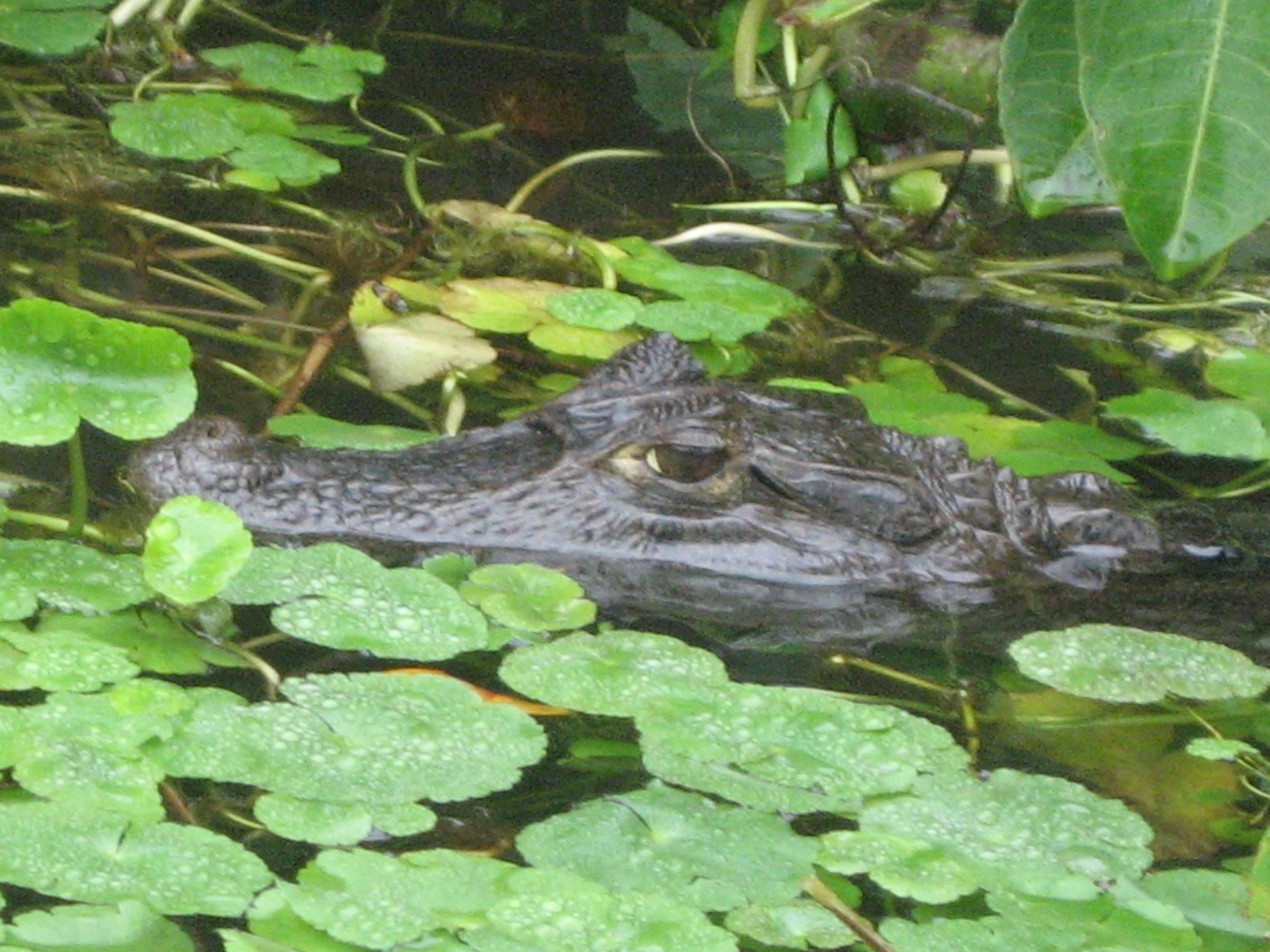
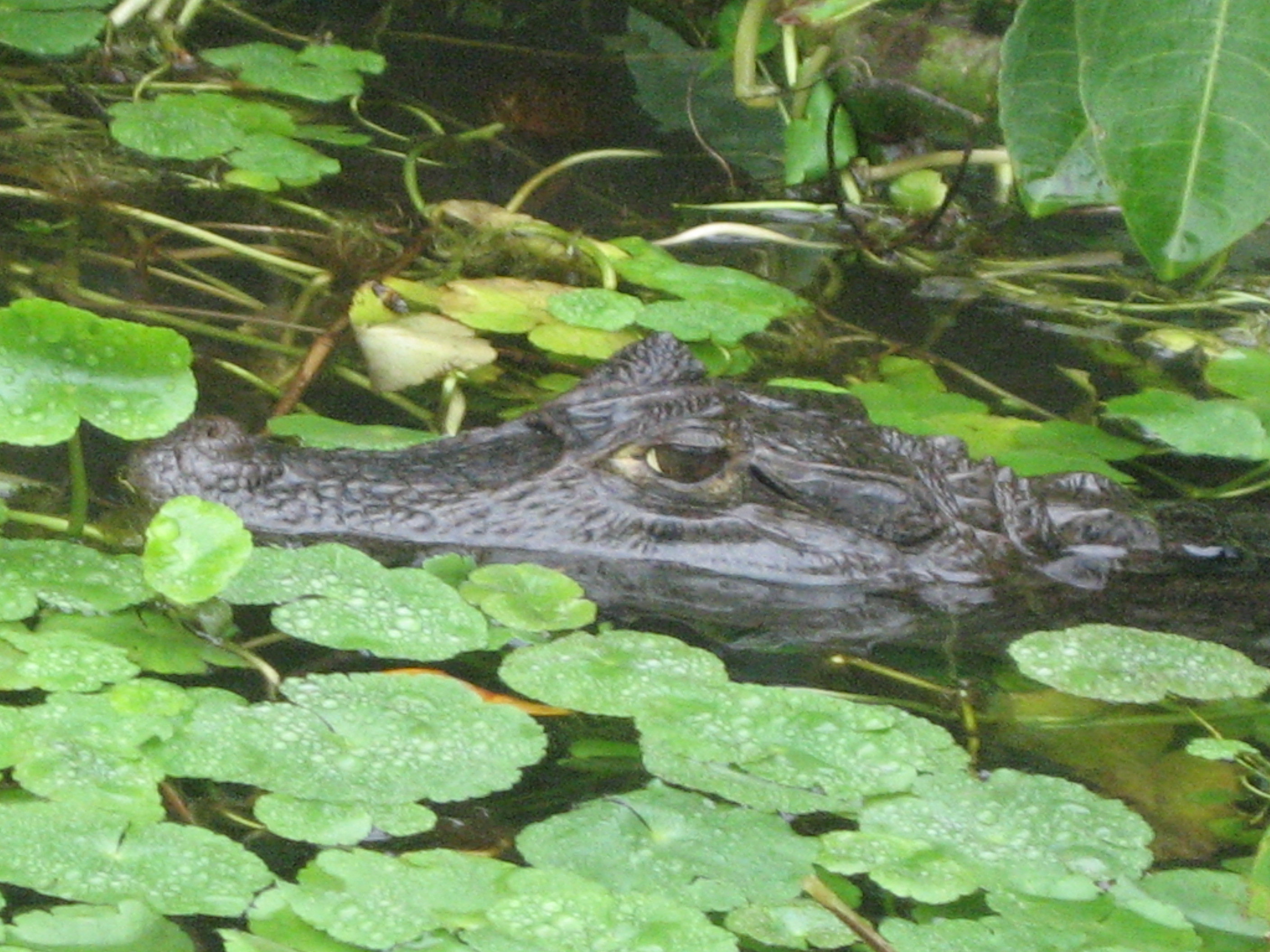
Yes, we saw several cayman, too. But no crocodiles, though they are plentiful — and big– all through the region. So where were they? My guess is they were hanging out together in some secret sauna, trying to warm up.
Crossing Over

Everybody told us, oh, you should go over to the Limon side, the food is great (all kind of coconuts), the music is great (all kind of calypso/reggae) the people is great, all kind of relaxed…in a really laid-back country, that is some kind of recommendation.  They also told us the weather is “backwards” over there, meaning it’s the dry season on the Pacific coast but it could be rainin’ some on the other side. But they didn’t say monsoon. Continue Reading »

On Becoming Classless

It’s been fun, and in some ways odd, to be living a life similar to that of grad students at our age. (OK, make that grad students with maid service). One of the enjoyable things has been meeting the variety of people from all over, and of all ages. My present classmate is a lovely German girl of 21; Doug is studying with her friend, a 27-year-old cop from East Germany. We’ve also met plenty of folks in our general gerentological category — also a hoot. (Though I confess we’ve not always been well-behaved when we think they’re too uptight). Continue Reading »

Living Above the Store

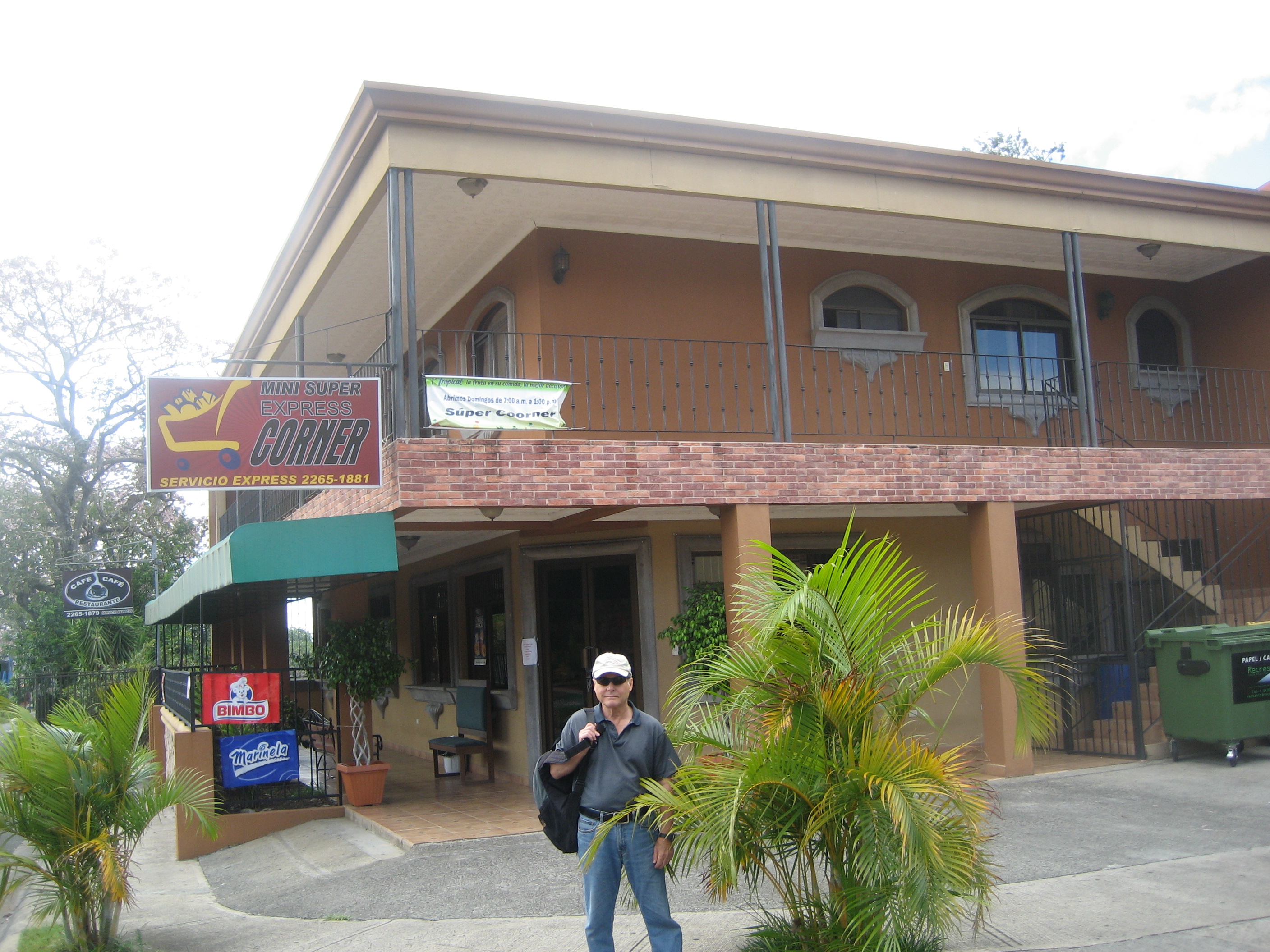
If that title conjures “vida tipica” in small town life, then that’s what we’ve got here. Our apartment, directly across from the school in San Joaquin de Flores, is also literally above a small market. In this respect, and most others, this experience is almost opposite from that in Flamingo.

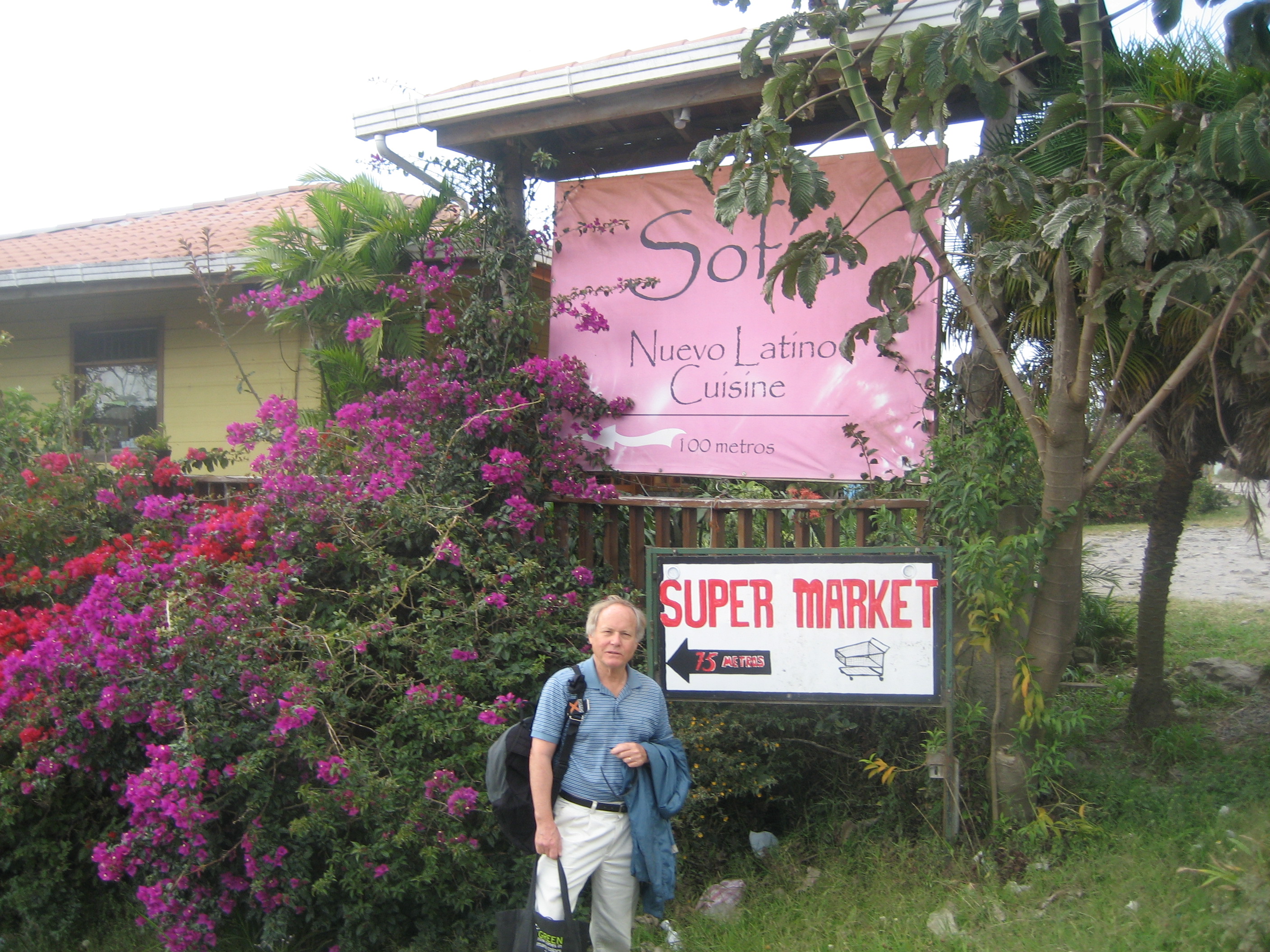
Doug in Front of our Digs in San Joaquin

Continue Reading »

  Basically, it came down to one word: heat. Beautiful as it was,  it was too damn hot, and we decided to spend our last two weeks of school back in the Central Valley. For our last day at Flamingo, we each had a final quest. For me it was to find a famed bar at the end of the beach town north of Flamingo, called Petrero, in itself a decidedly more Tico town. Continue Reading »

Rodeo, the Real Deal

    Much as the Mardi Gras was a gringo thing, the rodeo, which went on for three weeks, in the fishing village of Brasilito, about 3 km. from our apartment, was a Tico thing. On Friday afternoon we hitched a ride on the school bus and spent the rest of the day and night in the palm-thatched, tin-roofed cluster of “tienda” and “sopas” (small stores and restaurants) with its magnificent stretch of palm-fringed beach.

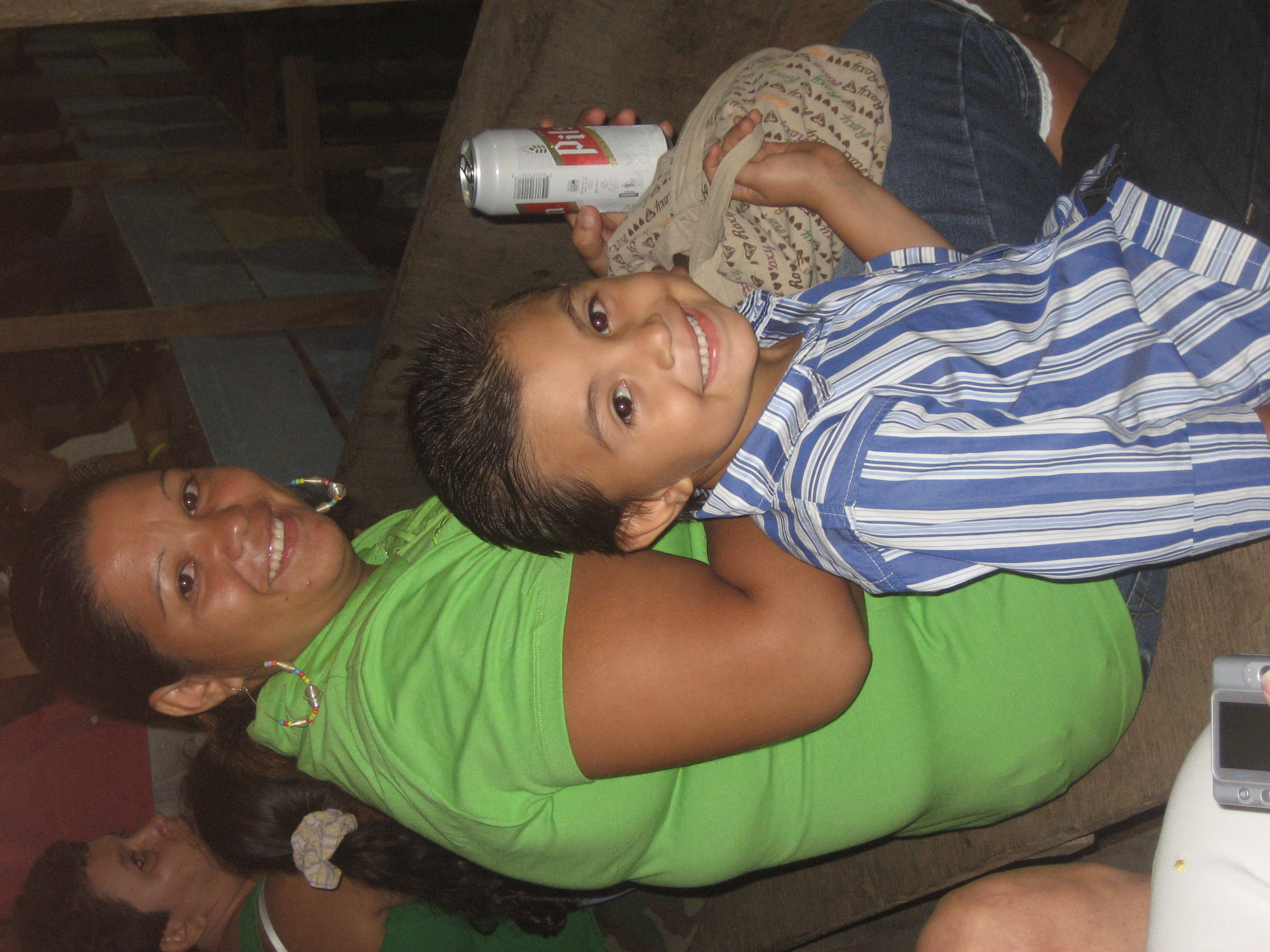
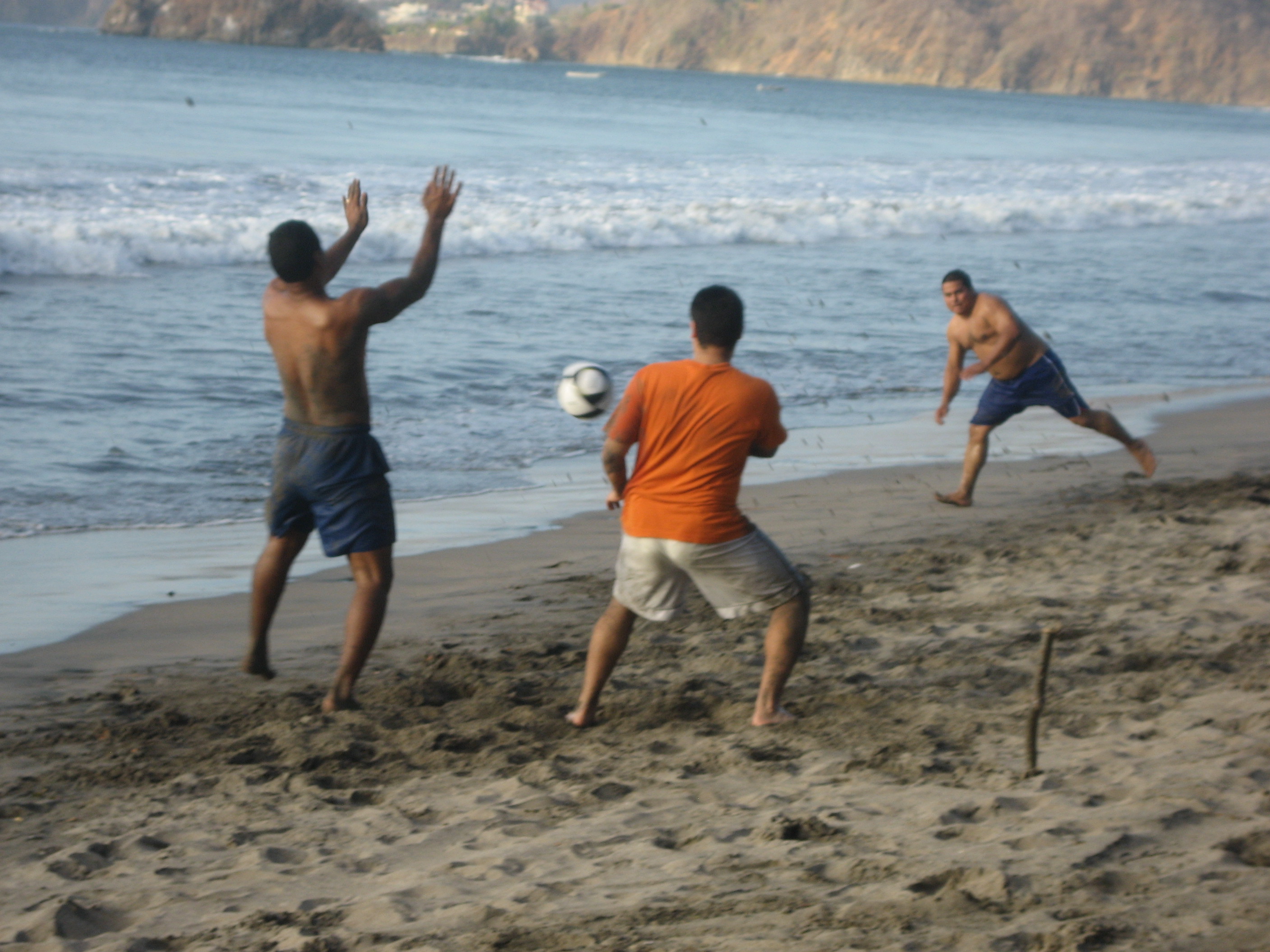
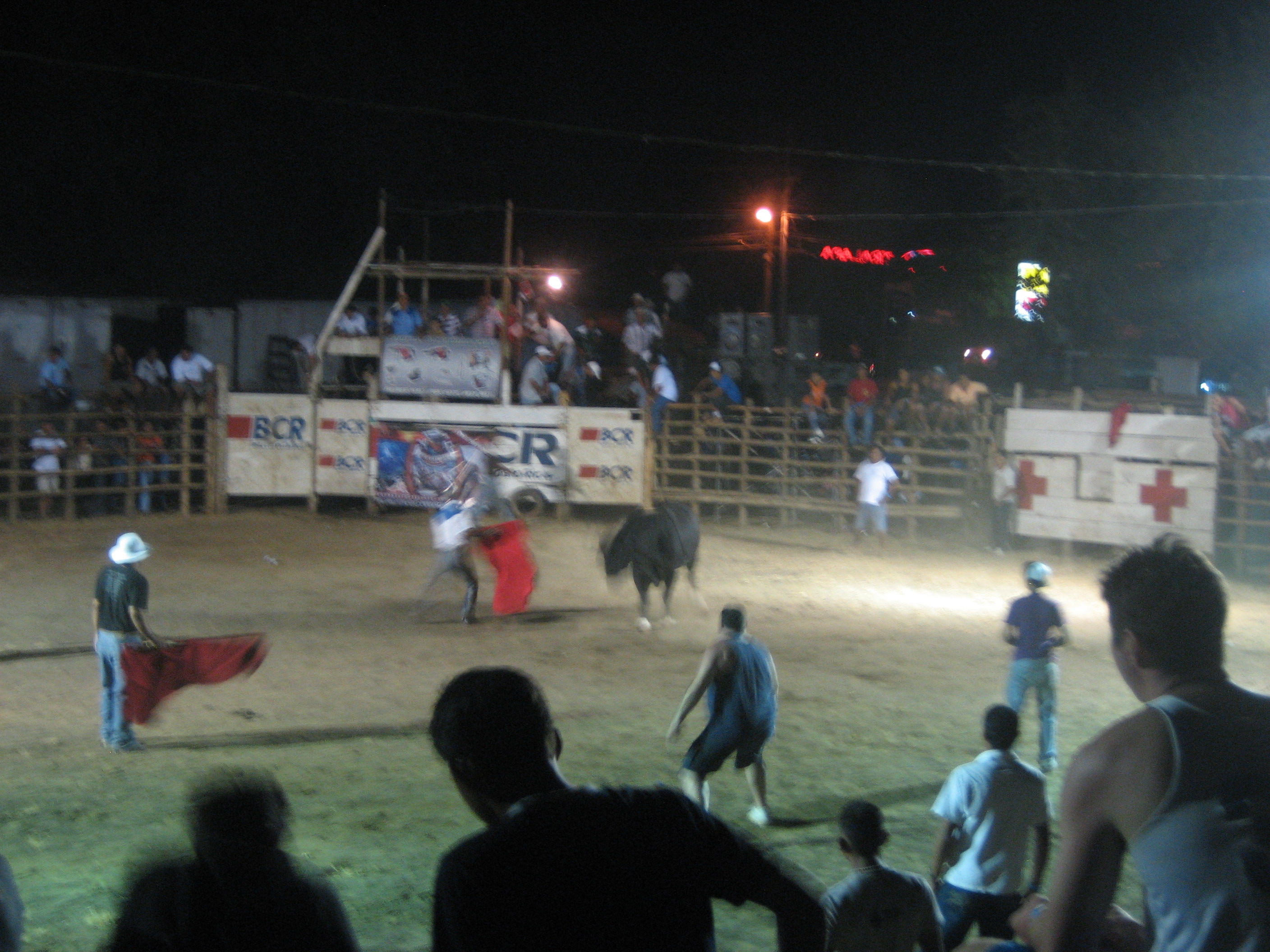
Soccer in the Sand We watched young men play soccer at the water's edge, horseback-riders come and go, dodged kids on bikes and driving ATV's like madmen, swam, found suitable food and drink, and waited for the crescent moon to rise pink over the sea. Then it was time for the rodeo. As a traveling show, it comes to town and slaps up a wooden "stadium" with seats. If you're fussy about your structures at sports events being vaguely up to some kind of code, this definitely is not your kind of place. Similarly, if you cringe at seeing rides for kids like whirling "octopuses" and whirligigs and other wonders not seen in the U.S. since the '50s, all served with snacks cooked in shacks over rickety stoves and cotton candy, you might not go for this. But if you go for ice-cold beer and being in the center of a lot of Ticos on a hot night cheering, laughing and having a great time to roars and music ranging from local mariachi to reggae to hip-hop, you'd love this.A Night on the Town in Brasilito


      The general idea of the”rodeo” was for some young honcho to climb on back of a bull and to try to stay on. There were what appeared to be picadores, only with red flags, to taunt the bulls, and other guys in the ring who just seemed to yell and jump around.  Whenever the bull appeared to be getting close, they scrambled under the stands. Similarly, whenever the bull successfully threw off its rider, there was a mad scramble to try to get him to “rage,” but mostly the bulls seemed interested in getting back into their pens, and presumably, their feed bags. The other highlight was two cowboys with lassos, who ran after the bull to “rope” it, but at best they caught him on part of the nose or ear. In one memorable scene, the bull stood still and stuck it’s neck out as if begging the cowboys to lasso him, but after a big show and wind-up….they missed even hitting him broadside with their ropes.

Bull? Si. Rider? No

      The show was announced by a sort of barker, whose main job seemed to be to sell beer and to promote local stores who evidently supported this event. For the last ride, the rider stayed on for an impressively long time, until the bull actually fell over — partially on top of him. This seemed a serious problem, and the poor rider was rushed to a box with a red cross on it, about 100 people following and peering in. We waited to hear what happened, but the barker went on selling beer, and eventually the crowd started drifting down from the stands. That appeared to be that.

Fiesta, Sorta, Cultural

Other Charms of CPI Flaming

 It seems that at our language school, CPI, there is a tradition of a “culture week” which ends in some kind of fiesta every fourth week. We hit this phenomenon in Flamingo, and the theme was “arts of Latin America.”

    What this really meant was a bunch of foreigners making fools of themselves in Spanish. But in good Tico style, a good time was had by all.

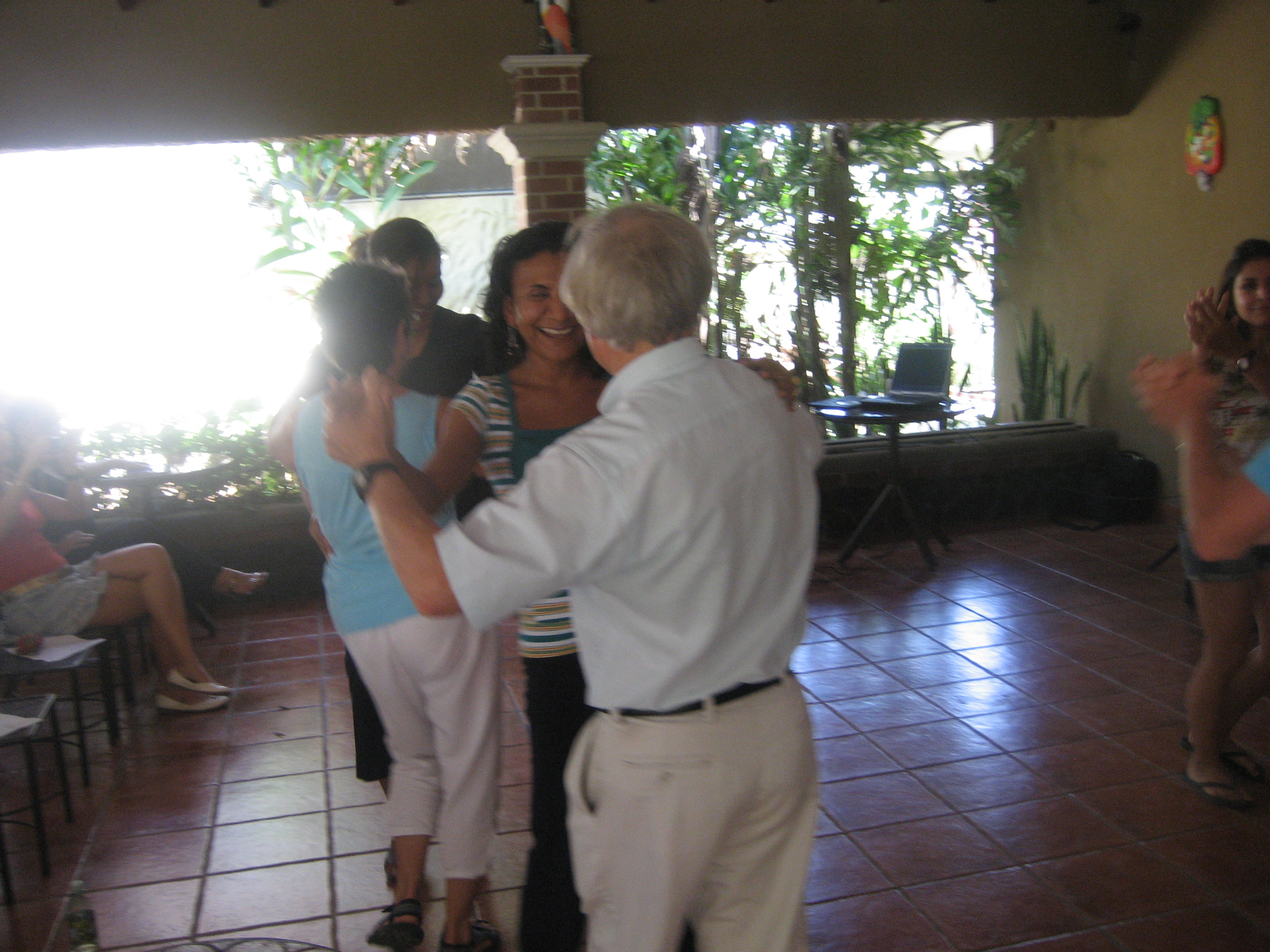
   There were several incomprehensible poems, a few good pantomime/dance numbers, some Latin dancing (check Doug doing samba) and Joanna, ahem, singing! But with other voices to drown me out, and in Spanish, my performance did not match the lullabys I used to sing that made my babies cry.

Dancin' Doog-las

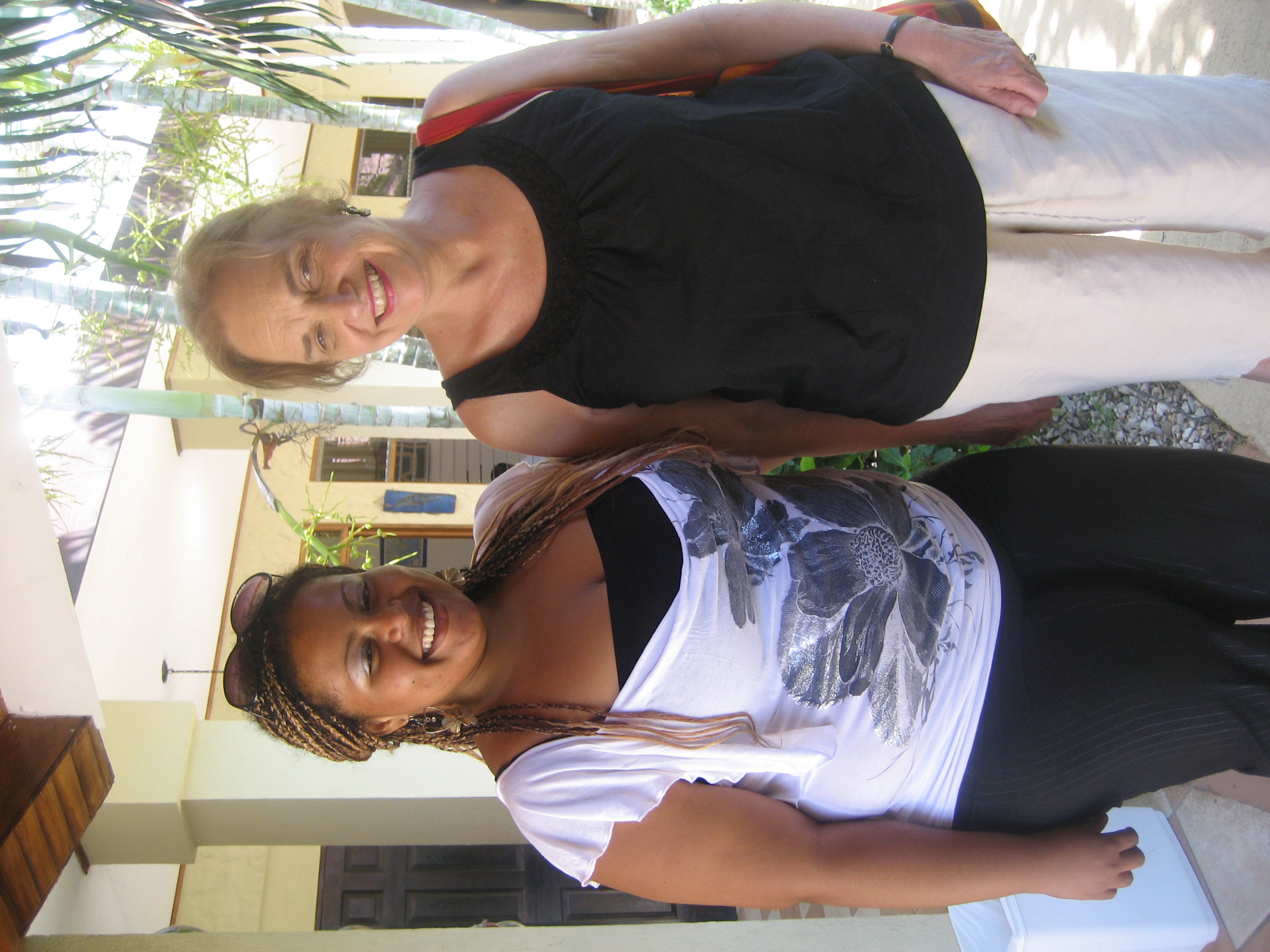
     The real hit, though, was Bernadette, my teacher, whom Doug rightly dubbed a sort of Latina Queen Latifa. In a duet with an unpleasant loud-mouth gringo, she pantomimed a ripper of a Latin love song in which Don Juan was definitely put in his place. Think Queen Latifa in “Chicago.” Doug fell instantly in love!

Joanna & Bernadette, a.k.a. Queen Latifa

Mardi Gras in Flamingo

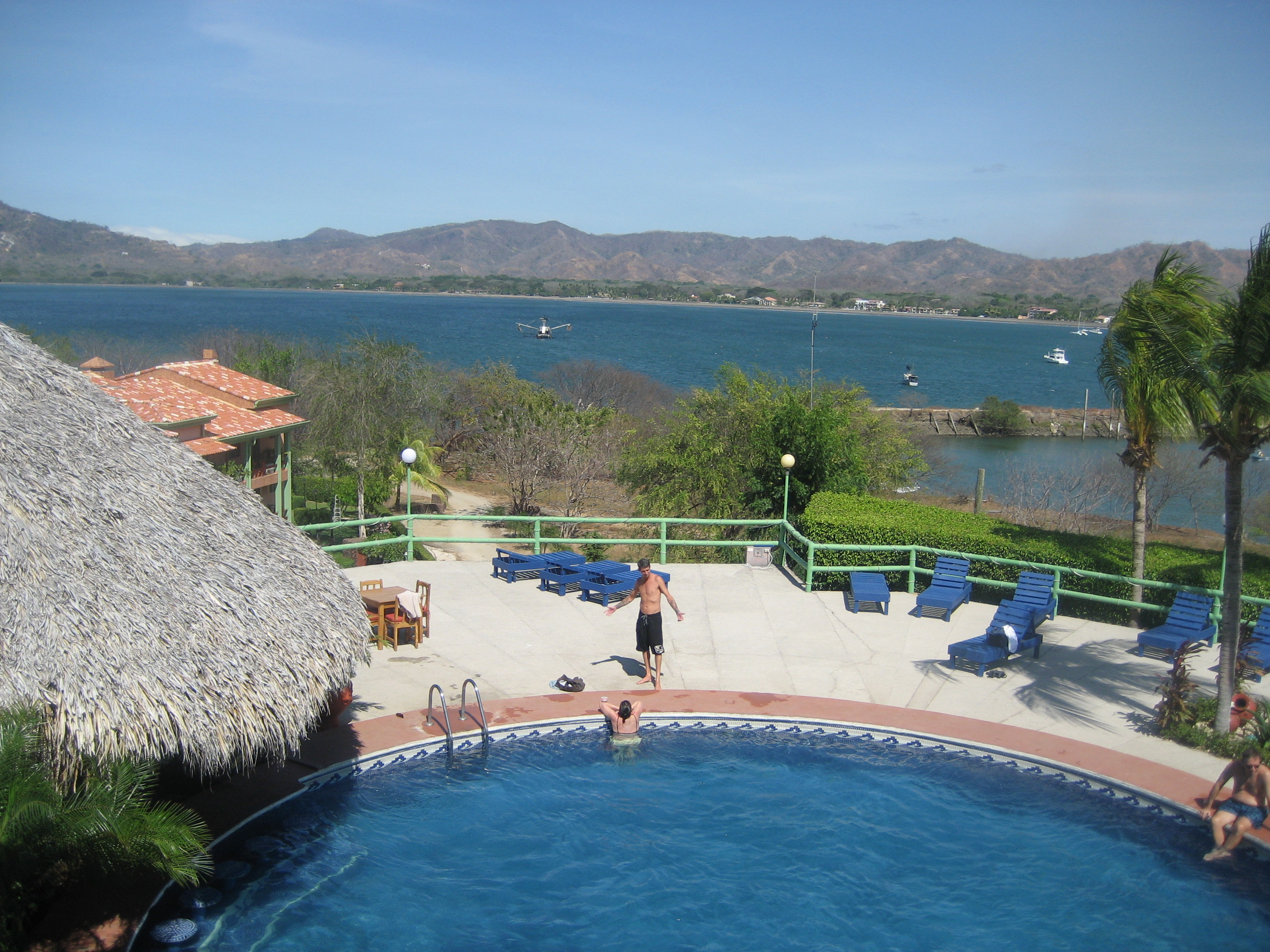
View from the Monkey Bar

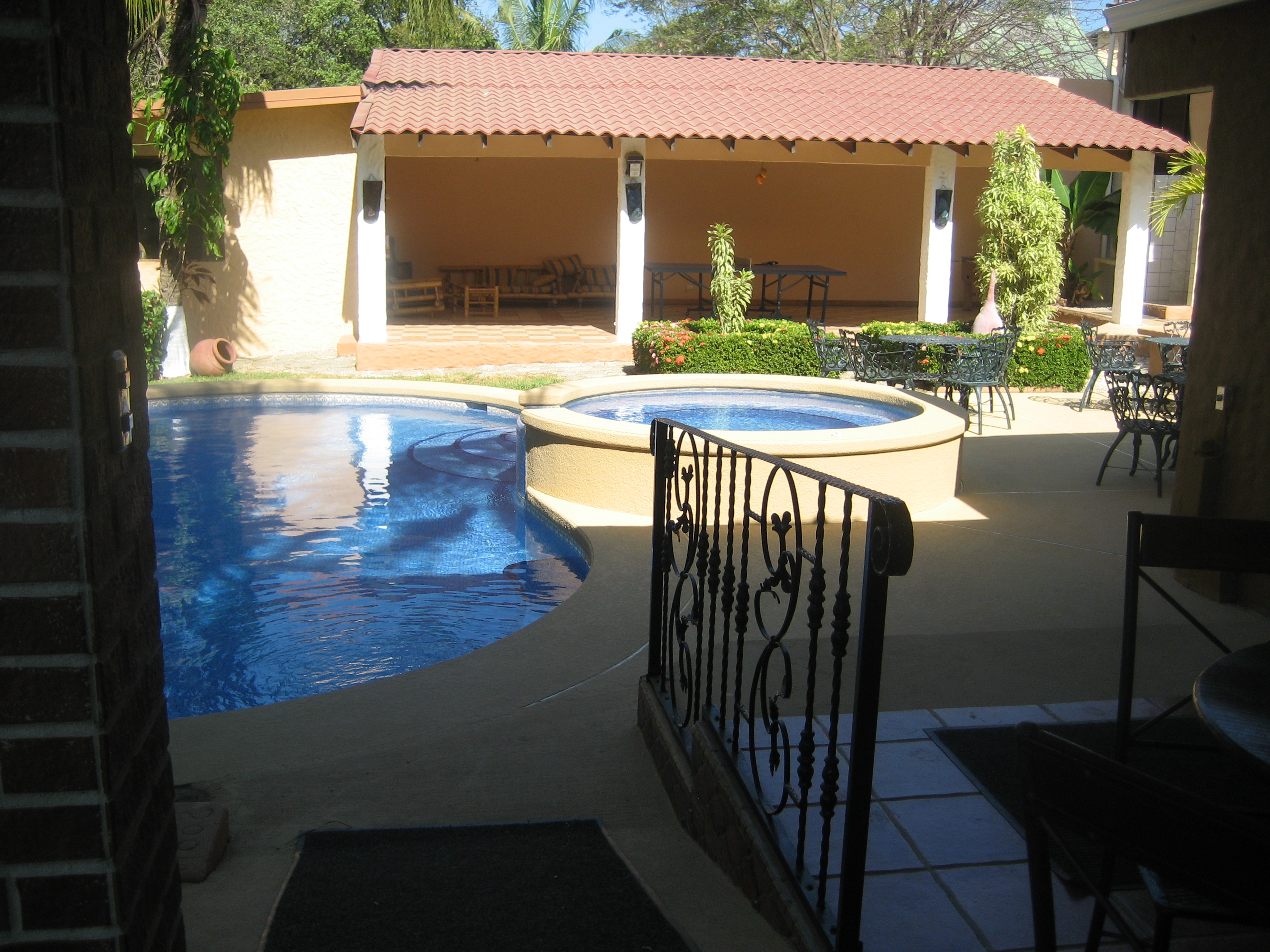
  Everybody told us. Mardi Gras isn’t really a Tica fiesta. But by our second day at the CPI campus in Flamingo,  a small upscale town on the hot (95 this time of year) beautiful beach on the Gunacaste coast north of Tamorindo, we had trouble believing it. After school, in the camus with a central courtyard, fountains, lovely small swimming pool and beach across the street, Doug and I hung around the town to await the “non-traditional” festivities, and amused ourselves with our first visit to the “Monkey Bar,” a  thatched-  roofed bar with pool attached to a fancy hotel on a hilltop, with wonderful stiff breezes and views of palm-fringed beaches in every direction.  Oh yes, and the good part: they gave “student discounts” to the tune of 25%. Continue Reading »

 On that note,  for out last night of merengue, instructor Nick, an English gent with a long pony tail, lithe build, and a gift for not only dancing but instructing (he’d hung out for a while with the Buena Vista Social Club in Cuba) informed us after our last night of merengue lessons that there was another dance lesson to follow in a bar in town. He hoped a woman he liked to dance with — a former professional dancer from San Francisco — would show up and they would kick up their heels together. (This had nothing to do with his beautiful wife and kids at home; Thursday nights he danced wherever). The lady in question did not show up, but we had a great time kicking back at the bar with Nick. We followed that up with another stop in town that included beverages, and arrived home later by cab. Like graduate students back in the day, we got no homework done that night.

The Morning After, Never Too Late for Spanish Verbs


  We kicked up our heels for a last time too — on horseback. Decided for our last afternoon to do a tour en caballo, arrived at the designated ranch, found three saddled up horses and the requisite dog to greet us. A while later a weathered, wiry-looking ranch-hand showed up, gave us a crooked grin and pointed out the horses we were to mount. For the next couple of hours we followed him down stony paths, through gates of fences and herds of cattle, down open grassy hills with amazing views of waves of mountains falling into valleys and tropical forest, the clouds rolling in, down and over. In many ways it looked like the East Bay hills in spring when cattle are grazing on green grass, but it was steeper, in places drier, and then there was the wind. It came in strong and ferocious at one point when we were on the crest of a ridge and Doug said he felt as if  he’d get blown off.

      There were other moments when it was distinctly not California, too. Such as when the Doug chased a big armadillo out of the trees and ran right in front of my horse, or when the cowboy pointed out a rat snake, or when we went right into the forest again, with its primordial trees with immense trunks, and leaves big as elephant ears.

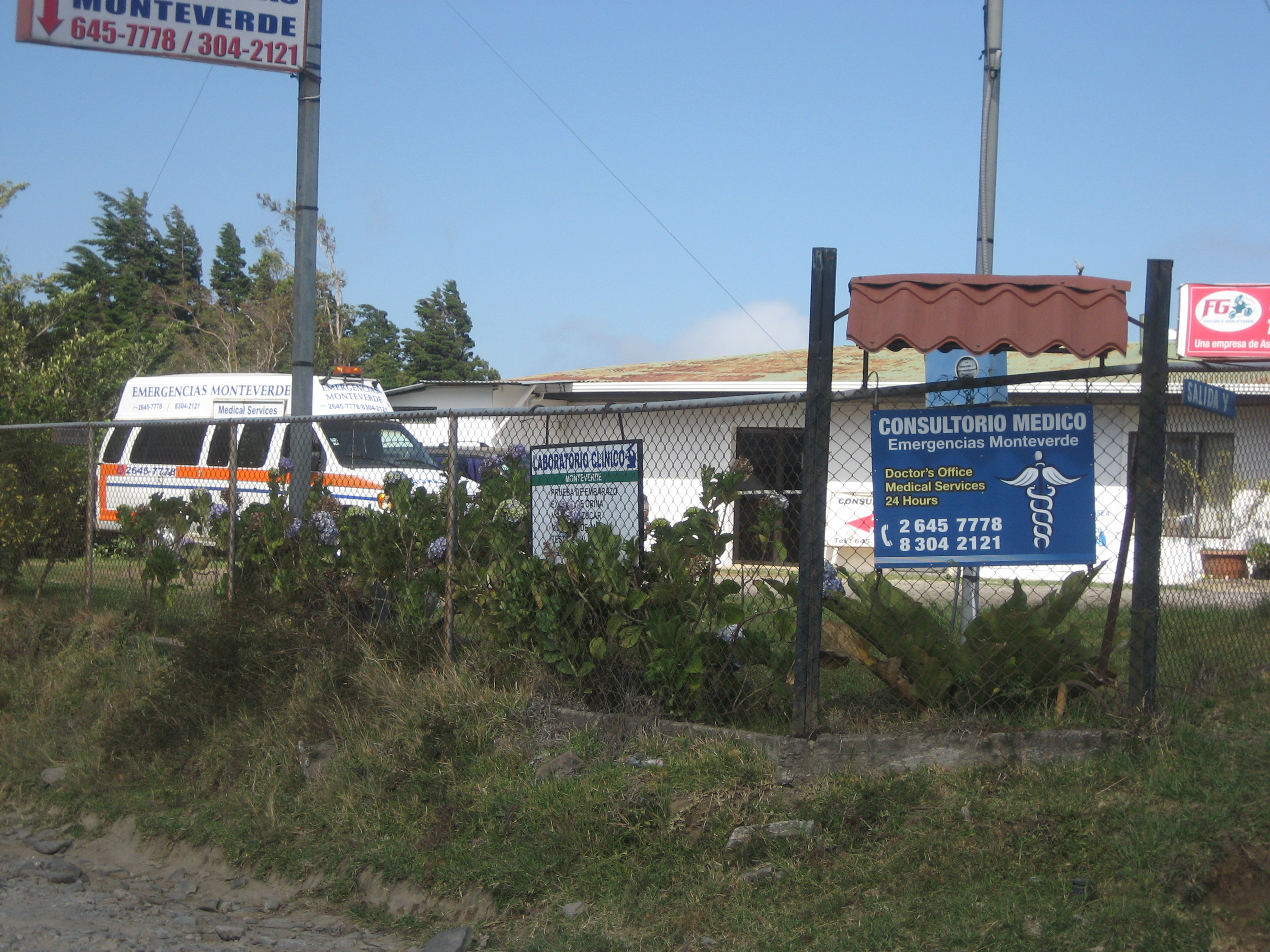
     It was a hot, cold, rainy, windy, sunny day. In other words, typical, and a perfect way to sum up the weather. Then we had other quick good-byes, too: to a favorite tapas restaurant by the school, to my cheeky Quebecoise friend who was leading French tours at the Butterfly Garden, and to Dr. Johnny. Doug had a minor medical problem and was sent to the local clinic for several visits with Dr. Johnny Deng-Tong. A Costa Rican of Chinese decent who spoke good English, he became one of Doug’s buddies. As did his “nurse-assistant-ambulance driver- and general factotum, Guido. 

Dr. Johnny's place

  Interestingly, when Doug said farewell to those guys, he announced we’d be back to see them before leaving Costa Rica. So maybe it isn’t farewell after all.

Doug and Fav Hangout

Saying Adios (or was that Hasta la Vista?)

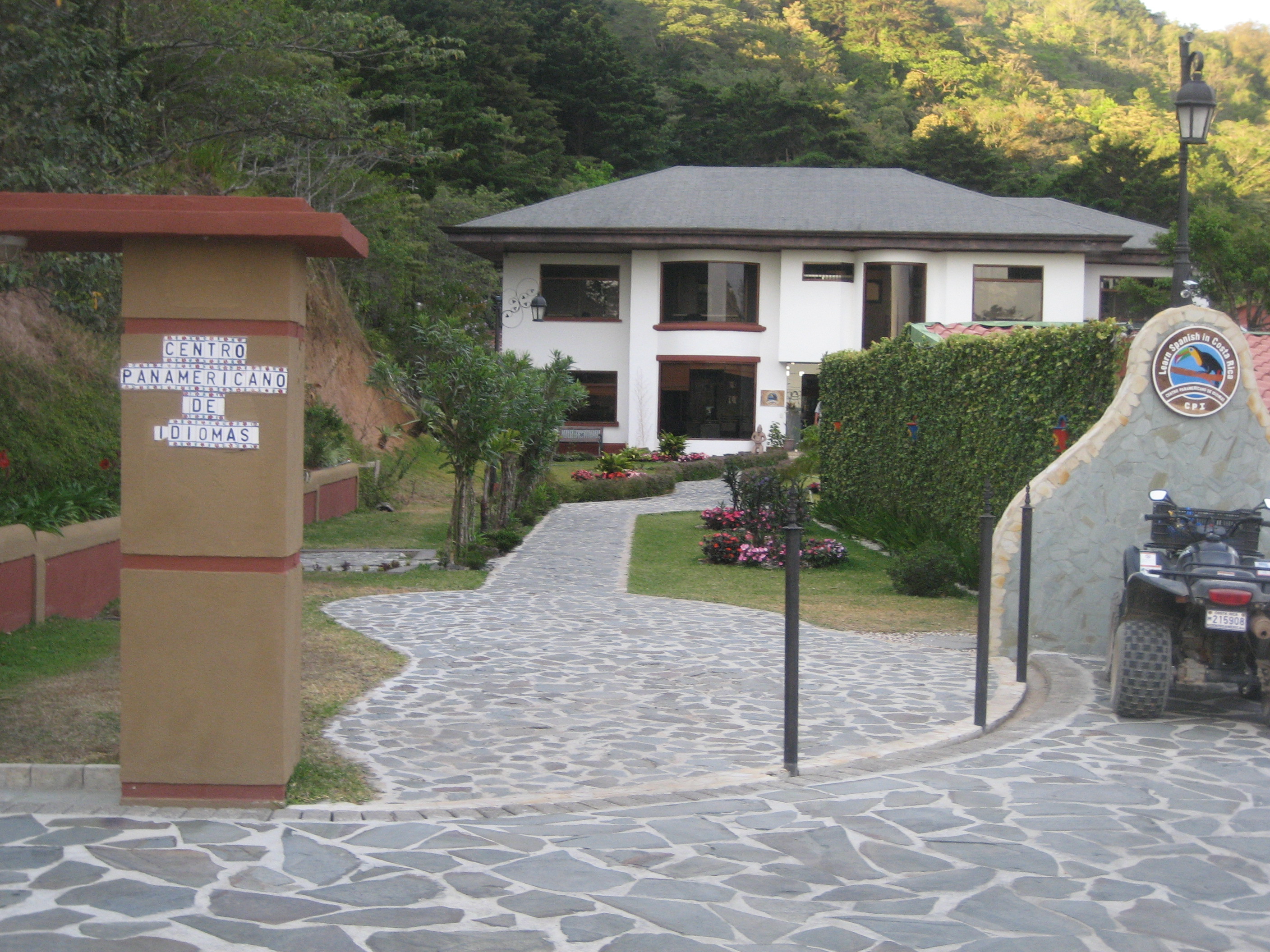
The School, Monteverde, front view

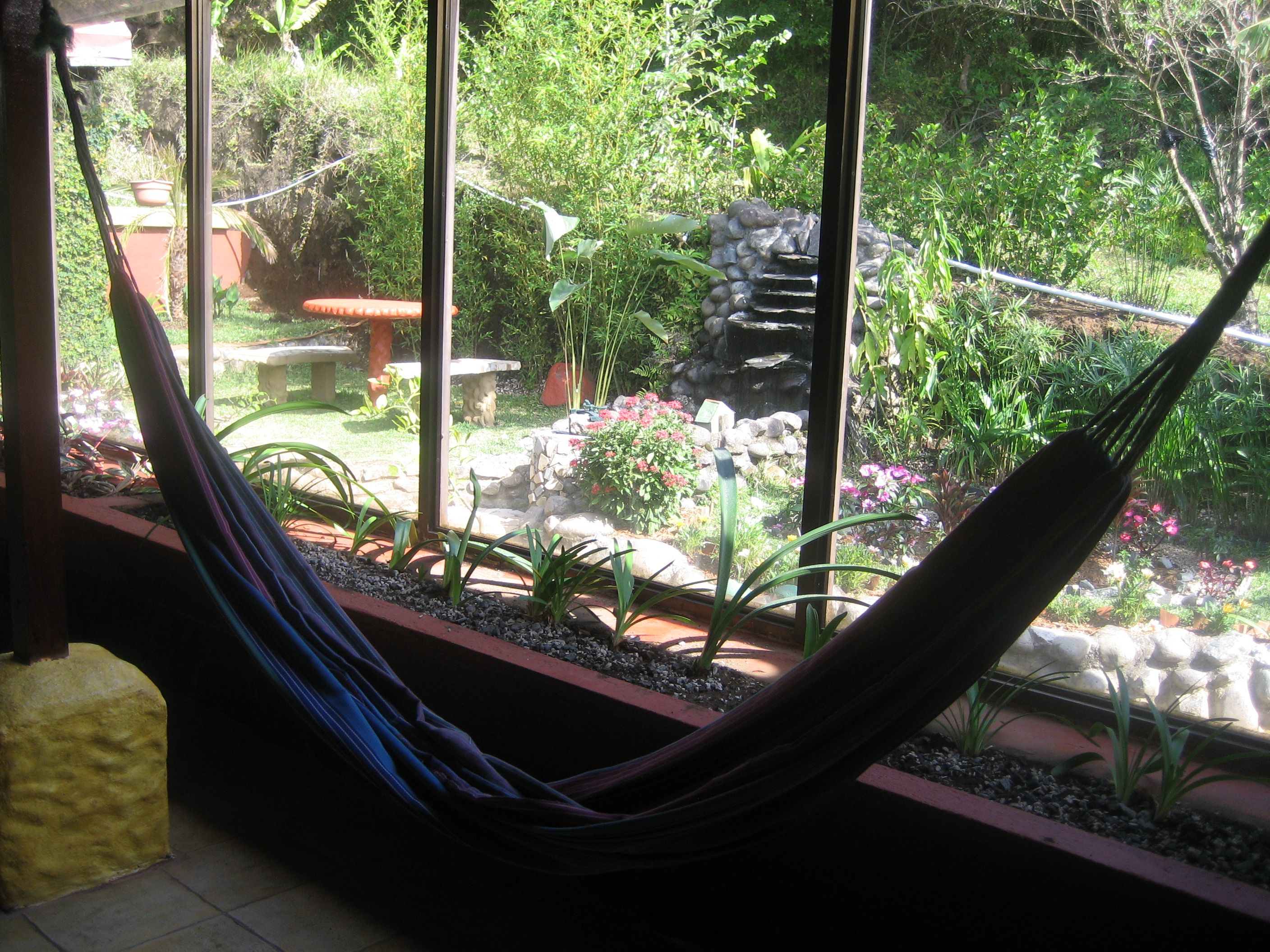
WE made our last rounds at school, saying farewell to a raft of great people, including teachers, my girl Serena, 12, whom I tutored, administrators, and the lovely mother and daughter team, Teresa & Griselda, who cleaned our rooms and the school. Also we took note of what we will miss from there: the beautiful site, the gardens, the hot tub, the hammocks…we also loved the film nights, cooking classes and, of course dance instruction.

School, hallway with hammocks